In today's fast-paced educational environment, traditional assessment methods like exams and assignments struggle to keep up with students' evolving needs. Real-time student performance analytics powered by AI is changing that by offering instant insights into student progress. With AI, educators can analyze data as it's generated, enabling timely interventions and personalized feedback.
This shift from outdated assessments to continuous, real-time analytics allows for a more responsive and tailored learning experience. By embracing AI, educators can better support student growth, identify areas for improvement, and adjust teaching strategies to ensure improved learning outcomes for every student.
The Role of AI in Real-Time Student Performance Analytics
Artificial intelligence (AI) has already made waves across various industries, and education is no exception. Real-time student performance analytics with AI uses machine learning algorithms to assess student's progress as they interact with digital learning platforms. By collecting data from assignments, quizzes, discussions, and other classroom activities, AI systems can identify patterns and offer predictions about how students will perform over time.
These systems give teachers a continuous snapshot of student performance, enabling them to detect struggling students far in advance of when traditional means would have indicated so. For instance, if a student continues to struggle with particular kinds of questions or concepts, AI can pick them out and recommend specific interventions. This is especially useful in big classrooms or online learning environments, where one-on-one attention may not always be feasible.
One of the primary benefits of AI-based analytics is the early detection of signs of learning issues. For instance, if a student is lagging in one area of study or not connecting with course material, then AI systems can alert the instructor automatically with particular recommendations about where the student is losing out. This facilitates more anticipatory than reactive instruction.
Enhancing Educator-Student Interaction
Real-time student performance analytics with AI benefits teachers and provides students with the feedback they need to improve their performance. AI systems can deliver personalized recommendations and tips to students based on their unique strengths and weaknesses. This type of individualized support is invaluable, as it helps students better understand their learning patterns and take ownership of their educational journey.
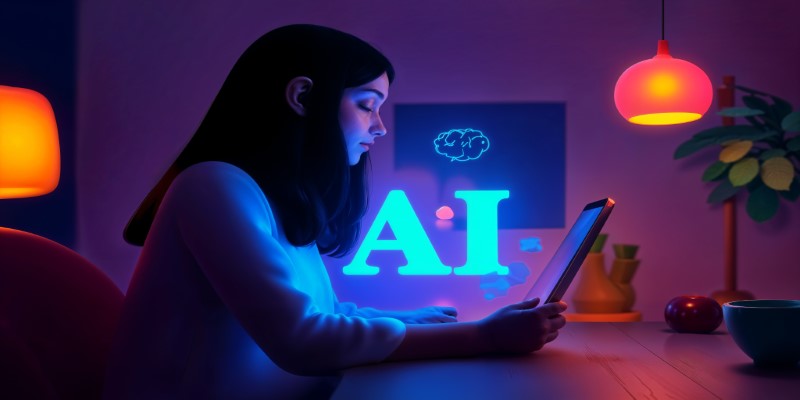
AI-powered tools can track a student's progress on a granular level, measuring everything from time spent on tasks to the accuracy of their responses. These insights not only help students understand where they need to focus their efforts but also allow for a more tailored learning experience. With immediate feedback, students are less likely to lose motivation or become discouraged by poor results. Instead, they can adjust their approach in real time, increasing their chances of success.
This continuous, real-time feedback loop fosters a more interactive and responsive learning environment. When students receive instant insights into their performance, they are better equipped to adapt their learning strategies. Similarly, teachers can use this data to refine their instructional methods, ensuring that each student’s needs are met and that no one falls behind.
Data-Driven Insights for Educational Institutions
Beyond individual student performance, real-time analytics powered by AI can also provide valuable insights at the institutional level. Schools, universities, and educational organizations can aggregate performance data across classrooms and courses to identify broader trends and patterns. This data-driven approach helps educational institutions evaluate their curricula, identify areas where students collectively struggle, and adjust their teaching methods accordingly.
By analyzing student performance in real time, educational institutions can pinpoint areas where students tend to fall short, whether due to a particular concept or an overarching trend in student engagement. For instance, if students consistently struggle with a certain module, the institution can explore whether the curriculum needs adjustment or if the teaching methods used are insufficient. AI-powered analytics also allow administrators to track institutional goals, such as graduation rates or test scores, in real time, helping them make more informed decisions about policy changes or resource allocation.
This data-driven approach to education enables schools and universities to be more agile and responsive to students' needs. Instead of relying on outdated data or waiting for end-of-term evaluations, institutions can adapt quickly and ensure that students receive the support they need in a timely manner.
Real-Time Feedback for Better Learning Outcomes
The ultimate goal of real-time student performance analytics with AI is to enhance learning outcomes for all students. By providing both educators and students with immediate, actionable feedback, AI can help bridge gaps in understanding and support continuous improvement. The real-time nature of the analytics allows for timely interventions that can keep students on track and help them succeed.
Furthermore, by continuously monitoring student performance, AI systems can adjust the difficulty level of assignments or offer different learning paths based on a student’s proficiency. This personalized approach ensures that students are always challenged at the right level, helping them stay engaged and motivated throughout their learning experience.
Additionally, AI tools can identify learning patterns that may not be immediately obvious to teachers. For example, some students may be excellent at understanding theoretical concepts but struggle with practical applications. AI can detect this disparity and suggest targeted exercises to help bridge the gap. This ensures that all students, regardless of their learning styles or needs, have the opportunity to succeed.
Conclusion
Real-time student performance analytics with AI is revolutionizing education by offering immediate insights into student progress. This technology enables personalized learning experiences, timely interventions, and improved educator-student interactions, ensuring better learning outcomes. With the ability to identify patterns and offer real-time feedback, AI empowers both students and educators to make informed decisions and continuously improve. As AI continues to evolve, its potential to transform education further grows, creating more dynamic, responsive, and effective learning environments. Ultimately, AI-driven analytics will pave the way for a more personalized and data-driven educational experience for all.