In a world where cultures and languages constantly intersect, education must evolve to accommodate students' diverse linguistic backgrounds. Language barriers can hinder learning, making it harder for many to access knowledge and communicate effectively. However, with the rise of artificial intelligence (AI), multilingual education is transforming.
AI is breaking down these barriers, offering innovative solutions that make learning more accessible, personalized, and inclusive. From real-time translations to tailored learning experiences, AI is not just changing the way we teach—it’s reshaping the future of education for students across the globe, regardless of language.
The Role of AI in Multilingual Education
Multilingual education is about more than teaching in two or more languages—it's about making learning truly inclusive. In schools around the world, especially where students speak dozens of different languages, traditional teaching methods often fall short. Educators are left struggling to make adjustments on the spot or using materials that are not up to par and outdated. The outcome? Students get left behind, not due to their inability, but because the system can't talk their language.
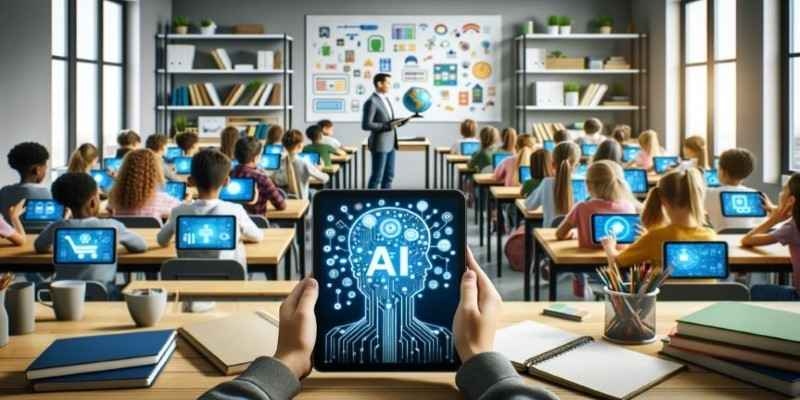
AI is bridging that gap with intelligent, scalable solutions. Natural language processing (NLP), machine learning, and speech recognition are now available in the educator's arsenal. These technologies can translate learning materials in real time, offer voice-to-text assistance, or even create personalized lessons based on a student's language skills.
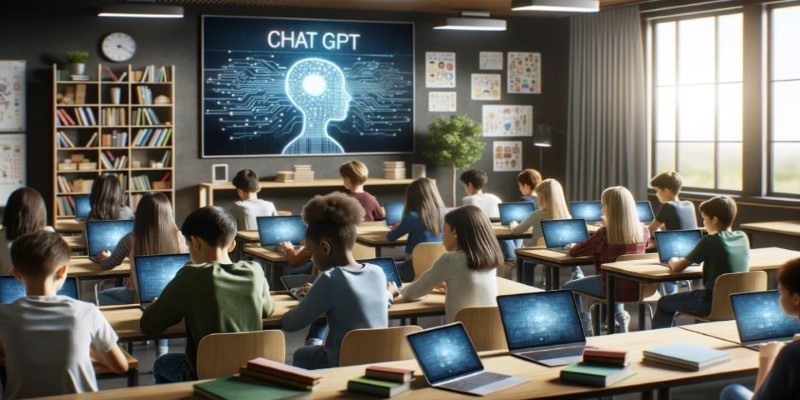
Rather than onerous, one-size-fits-all directives, AI permits a customized route. Students can use a science book in their original language, stream a lecture and see subtitles almost in real-time, or receive AI-based commentary on their enunciation. All the while, teachers are relieved of the grunt work of language—they're enabled to spend time getting to know students, mentoring, and reinforcing learning.
Multilingual AI-powered education is not something of the future—it's already in progress. As AI tools keep improving, they're not only breaking language barriers—they're making them bridges. Language diversity is not something to be bridged with AI—it's something to be leveraged.
AI-Driven Language Learning Platforms
AI-driven language learning platforms are one of the most prominent advancements in multilingual education. These platforms use AI algorithms to tailor lessons and exercises to each student's individual needs, offering a personalized learning experience. They can detect a student's proficiency level, identify areas where they need improvement, and provide relevant exercises and feedback. This helps learners progress at their own pace, ensuring that no one is left behind.
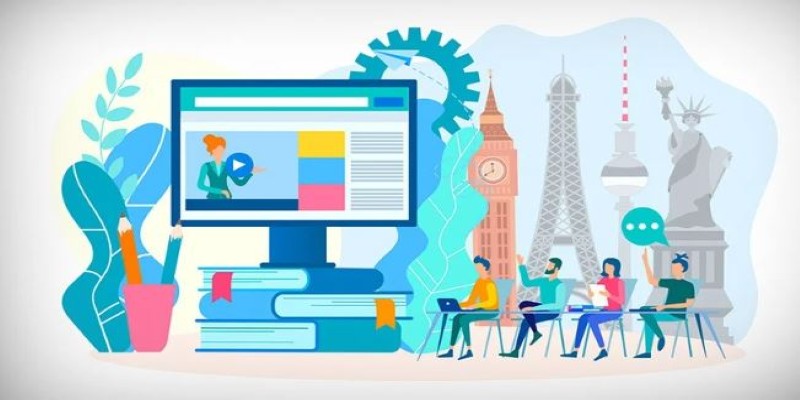
Many AI language learning platforms also integrate speech recognition technology, allowing students to practice pronunciation and improve their speaking skills. These platforms use advanced algorithms to analyze students' pronunciation, offering real-time feedback and corrections. This provides learners with the opportunity to practice speaking in a stress-free environment, helping them build confidence in using the language.
Additionally, AI language platforms can help bridge the gap between learners who speak different languages. Through real-time translation and contextual understanding, AI tools allow students to communicate with their peers and teachers despite language differences. In a multilingual classroom, this ability to communicate effortlessly fosters collaboration and enhances the learning experience for all students.
Breaking Down Language Barriers with AI Translation Tools
AI-driven translation tools, such as Google Translate and DeepL, are pivotal in breaking language barriers in multilingual education. These systems have advanced beyond basic word-for-word translation, offering context-sensitive translations that capture the true meaning behind sentences and phrases. This shift ensures that students and teachers can understand each other more effectively, regardless of their linguistic background.
In a multilingual classroom, AI translation tools allow students to access lesson materials, instructions, and assignments in their native language. This not only enhances their understanding but also fosters inclusion by providing equal access to content that may have previously been inaccessible due to language barriers. It helps bridge communication gaps, ensuring that all students can engage with the material and succeed in their studies.
Moreover, AI translation tools can be seamlessly integrated into digital platforms like e-learning portals, virtual classrooms, and chatbots. This integration means students can instantly translate educational content and communicate with their peers and instructors without delays. By breaking down language barriers, these AI tools create a more inclusive and collaborative environment where students from diverse backgrounds can thrive together, enhancing the overall learning experience.
AI in Classroom Interactions and Assessments
AI is not only transforming learning materials and language practice but also significantly enhancing classroom interactions and assessments, especially in multilingual environments. Teachers often face challenges in providing individualized feedback when they do not speak the students' native languages. AI bridges this gap by offering real-time feedback on assignments, quizzes, and class discussions. This allows teachers to focus on more meaningful interactions while ensuring students receive timely, personalized guidance.
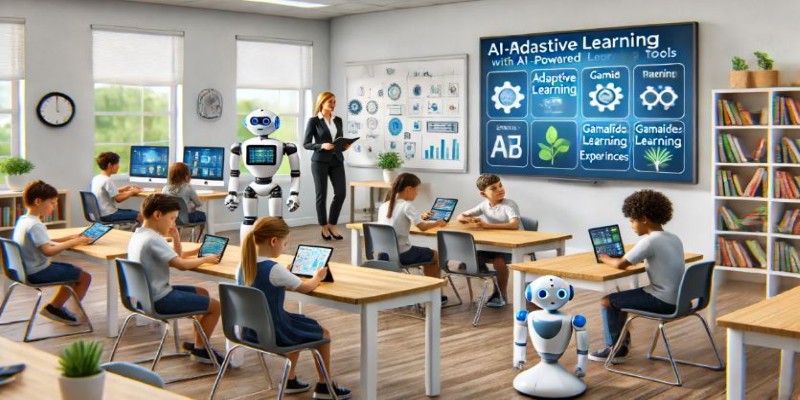
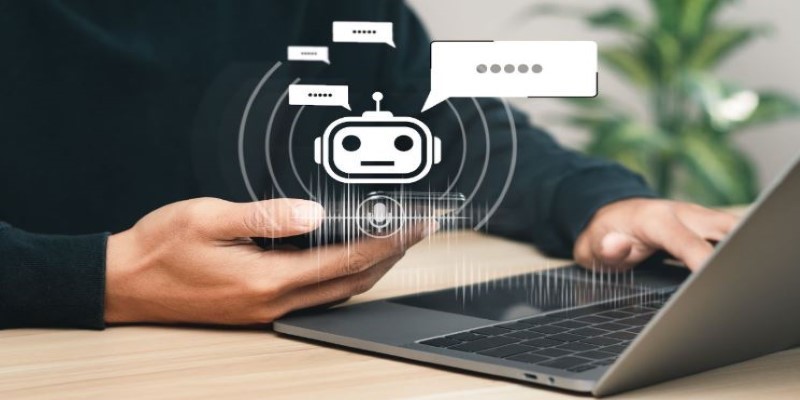
AI-powered chatbots act as virtual teaching assistants, providing immediate responses to students' questions in various languages. These chatbots ensure that language barriers do not hinder students' learning, as they can receive assistance in their preferred language. Additionally, these bots can offer extra resources and explanations, helping students better understand complex topics.
Beyond real-time assistance, AI can also analyze patterns in student performance, identifying areas where they may need additional support. Through AI-powered assessments, educators can gain insights into individual student needs, enabling them to offer personalized suggestions for improvement. This tailored approach fosters a more inclusive and effective learning environment, ensuring each student receives the support necessary for their success, regardless of their linguistic background. AI is truly revolutionizing classroom dynamics, making education more accessible and equitable for multilingual learners.
Conclusion
AI is transforming multilingual education by breaking down language barriers and making learning more inclusive and accessible. Through AI-driven tools like translation systems, language learning platforms, and personalized feedback, students from diverse linguistic backgrounds can now engage with educational content more effectively. As AI continues to evolve, it promises to further enhance global learning opportunities, fostering cross-cultural understanding and communication. By embracing these technologies, educators can create a more equitable learning environment where language differences no longer hinder student success, ultimately shaping a more connected and inclusive future for education worldwide.