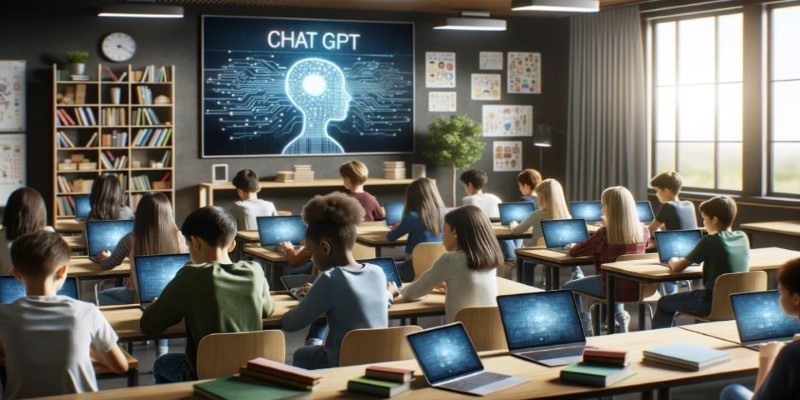
In today's classrooms, teachers face the challenge of ensuring every student grasps the material despite varying learning speeds and styles. Identifying learning gaps—those subtle gaps in understanding—has always been difficult, often discovered too late. Enter artificial intelligence. With its ability to analyze vast amounts of data and provide real-time insights, AI offers a powerful solution.
It helps educators pinpoint exactly where students are struggling and adjust teaching methods accordingly. By identifying learning gaps early, AI enables teachers to offer individualized support so no student gets left behind, ultimately improving the learning experience for all.
Understanding Learning Gaps
A learning gap is the difference between how much students should know and how much they really do know. These gaps can occur for all sorts of reasons, including missed school days, trouble understanding certain ideas, or even personal issues that impact learning. Teachers have always struggled to find and close these gaps, but it's not so simple when dealing with huge classrooms full of students at varying levels.
AI assists by giving a more precise image of where students are struggling. Rather than waiting for test scores or seeing a trend over weeks, AI can evaluate student performance in real-time. It can monitor errors, point out weak spots, and even recommend individualized means of remedying them. This allows intervention to be faster and more specific before small problems become larger ones.
How AI Detects Learning Gaps and Reduces Teacher Workload?
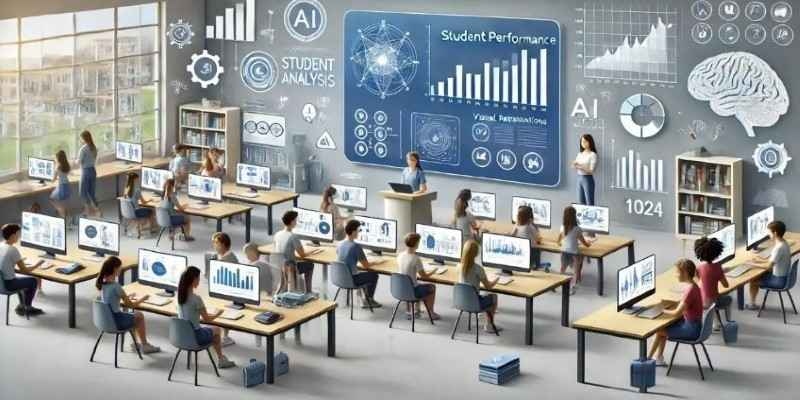
AI-based tools evaluate students based on several data points, not just test scores. The tools look at everything from assignments and quiz scores to time spent on specific subjects, identifying trends and pinpointing areas where students struggle repeatedly. For instance, if a student is struggling with fractions or with grammar, AI detects those trends. AI also measures students' growth against normal markers, making sure everyone keeps up.
A major advantage of AI is real-time feedback. Instead of waiting for teachers to grade assignments manually, AI provides instant insights, enabling educators to intervene immediately if a student repeatedly answers a question incorrectly. Some platforms even adjust lessons automatically, reinforcing weaker areas without the student feeling singled out. Additionally, AI’s predictive analysis can forecast future challenges based on past performance, helping teachers prepare students in advance and prevent potential learning obstacles.
In addition to identifying learning gaps, AI significantly reduces teacher workload. By automating grading, feedback, and lesson planning, AI frees up valuable time for teachers to focus on personalized instruction. Grading systems can detect patterns in student errors and suggest areas for further attention. AI-driven platforms also generate progress reports for teachers and parents, allowing for real-time updates and fostering better communication between home and school. This automation allows teachers to concentrate on meaningful student interactions, making education more effective and less time-consuming.
Personalizing Learning for Every Student
Every student has a unique way of learning. While some grasp concepts quickly, others may need more time or different approaches to fully understand. AI addresses these differences by creating personalized learning experiences for each student. Adaptive learning platforms assess a student’s progress and automatically adjust content accordingly. If a student is excelling, they receive more advanced material; if they’re struggling, the system offers additional support. This ensures that the class remains engaged without leaving anyone behind.
AI also tailors feedback to the individual, going beyond generic comments like “needs improvement.” For example, it might specify, “struggles with multiplication but excels in division.” This level of detail helps teachers develop more effective lesson plans and provides targeted assistance. It also empowers students by showing them exactly where they need to improve, offering them a clearer path to success.
For students with learning disabilities, AI is a game-changer. Many AI-powered tools come equipped with features like text-to-speech for students who have trouble reading or interactive exercises for those with attention challenges. These accessible tools ensure that all students, regardless of their learning needs, receive the support they need to thrive. By customizing the learning experience, AI ensures that every student has an equal opportunity to succeed.
The Future of AI in Education
As AI continues to evolve, its role in education will expand significantly. Future advancements in AI could bring even more precise learning assessments, with virtual tutors that adapt in real-time to students' needs. These tools will not only identify what students struggle with but also analyze why these struggles occur, providing deeper insights for teachers. Additionally, emotional AI, which can gauge student engagement and frustration levels, has the potential to refine teaching strategies by responding to the emotional and cognitive states of learners.
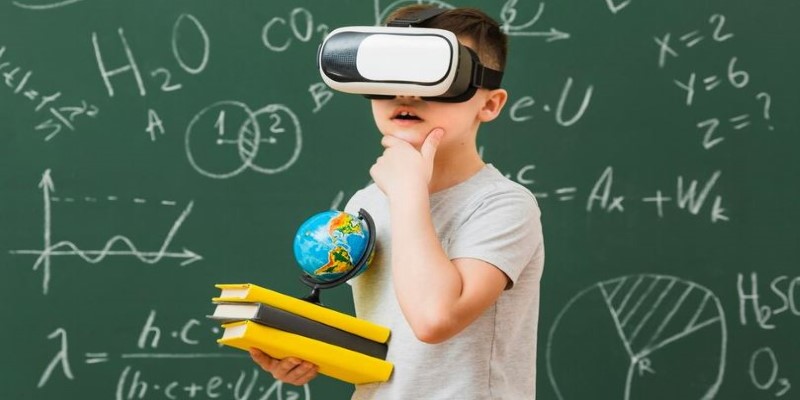
Despite these advancements, AI will never replace the essential role of teachers. Instead, it serves as a powerful tool that enhances, rather than replaces, the human connection in education. AI can automate routine tasks, provide personalized learning experiences, and offer real-time feedback. Still, the emotional intelligence, creativity, and inspiration that teachers bring to the classroom cannot be replicated by machines. The true potential of AI in education lies in its ability to work alongside educators, allowing them to focus on meaningful interactions with students. When technology and human expertise collaborate, the learning experience becomes more inclusive, personalized, and effective, ensuring that no student is left behind.
Conclusion
AI is revolutionizing education by enabling teachers to identify and address learning gaps more efficiently. With real-time feedback, predictive analysis, and personalized learning pathways, AI ensures that students receive targeted support exactly when they need it. This not only enhances student outcomes but also reduces teacher workload by automating routine tasks, allowing educators to focus on fostering meaningful connections with students. While AI brings significant benefits, its true potential lies in complementing the expertise of teachers, ultimately making education more effective, personalized, and inclusive for every learner. AI enhances the teaching process without replacing the essential human touch.