The world of career guidance has been undergoing a significant transformation in recent years, driven by the advent of artificial intelligence (AI). Traditionally, career counseling relied on human advisors, experience, and intuition to help students choose their future paths. However, AI is now stepping in to enhance this process.
It offers personalized, data-driven insights that can more accurately match students to careers that align with their skills, interests, and long-term goals. As AI technologies continue to evolve, they promise to revolutionize how we guide students toward fulfilling and successful careers.
The Role of AI in Career Counseling
AI-driven career counseling leverages advanced algorithms and data analysis to create a detailed profile of each student. It looks at their academic performance, personal interests, personality traits, and even online activity, all of which are then cross-referenced with an extensive database of career options, job trends, and market forecasts. By running this large volume of information, AI provides students with career choices that suit their strengths based on long-term employability and stability.
Old-school, standardized career guidance or a counselor's judgment is sometimes constraining and subjective. AI takes a much wider, data-driven view, picking up patterns and correlations that human counselors may not spot, for instance, the way in which a pupil's abilities correspond to the future needs of sectors set to rapidly expand, enabling pupils to make informed choices not only according to their existing interests but looking forward to employment opportunities and career options.
Personalized Career Recommendations
One of the most impressive aspects of AI career guidance is how it can provide highly customized advice. Conventional forms of career guidance often give fairly general advice that isn't necessarily applicable to a specific student's situation. AI, however, tailors its suggestions on meticulous, customized information, which renders the advice far more relevant and beneficial.
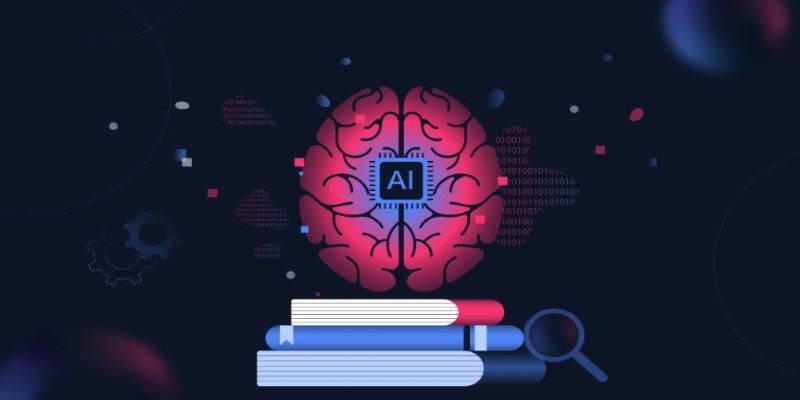
AI systems often begin by analyzing a student’s academic achievements, extracurricular activities, and personality traits. For example, a student with a strong aptitude for mathematics and an interest in problem-solving might be directed toward careers in engineering, finance, or data science. Alternatively, a student with a passion for creativity and design may be encouraged to pursue a career in graphic design, marketing, or architecture.
What sets AI apart from traditional methods is its ability to refine these recommendations over time. As students gain more experience and the AI continues to gather data about their progress, it can adjust its advice accordingly. This dynamic approach ensures that career counseling remains relevant even as the student’s interests and goals evolve.
The Benefits of AI-Driven Career Counseling
The integration of AI in career counseling offers several distinct advantages over traditional methods. First, it provides students with a deeper understanding of their potential career paths by combining data-driven insights with personalized recommendations. This removes much of the guesswork that often accompanies career decision-making, allowing students to make choices that are based on evidence rather than intuition or external pressures.
Moreover, AI systems can help bridge the gap between education and the job market. Many students struggle to find career paths that align with their skills or the current demands of the job market. By utilizing AI’s ability to analyze industry trends and predict future job growth, students can make informed decisions that lead to better job prospects. AI-driven career counseling can also help students understand the changing dynamics of the workforce, such as the rise of automation and remote work, and guide them toward careers that are likely to thrive in the future.
Another benefit is AI's scalability. Traditional career counseling often requires one-on-one interaction, which can be time-consuming and limited in reach. With AI, the system can serve countless students simultaneously, offering personalized advice without the constraints of time or human resources. This makes AI-driven counseling an efficient solution for schools and universities that aim to provide career guidance to large numbers of students.
Challenges and Considerations
While AI-driven career counseling offers numerous benefits, it also comes with its own set of challenges. One concern is the potential for bias in AI systems. If the data fed into AI algorithms is not diverse or representative of all student demographics, the recommendations generated by the system could be skewed. This issue is particularly concerning in a field like career counseling, where students from different backgrounds may require different types of guidance.
Another challenge is ensuring that AI systems are accessible and user-friendly for students who may not be familiar with technology. For AI to be effective in career counseling, students need to feel comfortable interacting with the system. Schools and universities will need to provide training and support to help students navigate these systems and make the most of the recommendations offered.
Lastly, there is the question of data privacy. AI systems require access to a significant amount of personal data to generate accurate career recommendations. Students and their families must feel confident that their information is being handled securely and that their privacy is protected. Transparent data practices and robust security measures will be essential for ensuring that AI-driven career counseling is both ethical and trustworthy.
Conclusion
AI-driven career counseling is reshaping the way students approach their future careers. By providing personalized, data-driven insights, AI systems are helping students make more informed decisions about their career paths while also offering a scalable and efficient solution for schools and universities. Despite some challenges, such as the potential for bias and concerns about data privacy, the future of AI in career counseling is promising. As technology continues to evolve, AI will play an increasingly vital role in helping students navigate the complexities of the modern job market, ensuring that they are well-equipped to succeed in the careers of tomorrow.