In recent years, the educational landscape has witnessed a transformative shift. As technology continues to evolve, so do the tools available to teachers. One of the most significant advancements in education technology is the rise of open-source AI platforms. These platforms allow educators to integrate artificial intelligence into their teaching methods, offering personalized learning experiences for students while also enhancing the overall teaching process. This article explores the role of open-source AI platforms in education, highlighting their benefits and how they are empowering teachers worldwide.
The Role of Open-Source AI in Education
Artificial intelligence has become an integral part of various sectors, and education is no exception. Teachers can use AI-powered platforms to enhance learning, automate administrative tasks, and personalize lessons based on students' needs. Open-source AI platforms go further by providing affordable and adaptable tools that can be shaped to meet the unique needs of classrooms across the globe. These platforms are designed to be adaptable, allowing teachers to integrate them into their existing educational frameworks without the need for significant technical expertise.
The value of open-source AI platforms is that they can promote innovation in the classroom. When teachers have the freedom to change and customize the technology, they can create more stimulating learning environments. Open-source platforms are typically free from licensing fees, so teachers of all financial means can utilize them, removing barriers to the use of AI technology.
Key Benefits of Open-Source AI for Teachers
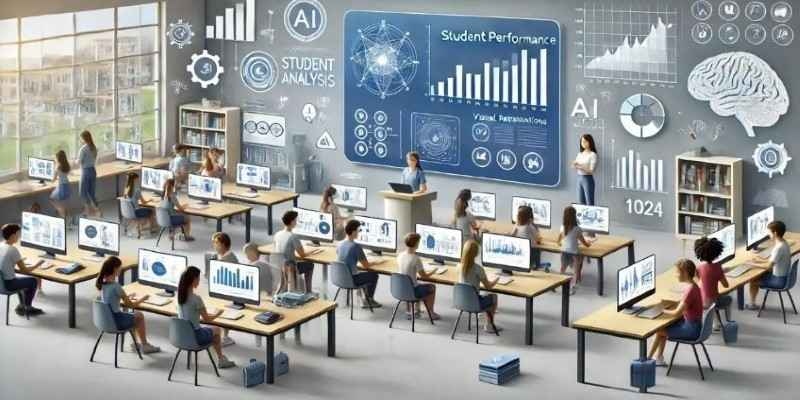
Open-source AI platforms provide several advantages that make them extremely valuable to educators. One of the most important is the customization of learning. AI can track student performance and adjust lessons to fit individual requirements. This enables teachers to customize the material, speed, and difficulty of lessons so that every student learns at the right level. It can bring struggling students up to speed while challenging gifted students.
Additionally, AI platforms can significantly reduce the time teachers spend on administrative tasks. Routine activities like grading assignments, tracking progress, and providing feedback can be automated, freeing up valuable time for more engaging, interactive teaching. This efficiency gives teachers the opportunity to focus on nurturing critical thinking and creativity in students.
Another major benefit is scalability. Open-source AI can be applied to classrooms of various sizes, from small groups to large, diverse classes. Teachers can also collaborate globally, sharing lesson plans and teaching strategies, which helps create a connected network of educators committed to improving education quality worldwide.
Examples of Popular Open-Source AI Platforms
Several open-source AI platforms have emerged as powerful tools for educators. Some of the most notable platforms include:
TensorFlow:
Originally developed by Google, TensorFlow is a versatile AI library that is widely used in education. Its flexibility allows teachers to develop custom AI models tailored to specific classroom needs. While TensorFlow itself is highly technical, there are plenty of user-friendly guides and tutorials that can help educators implement it into their lessons.
OpenAI GPT:
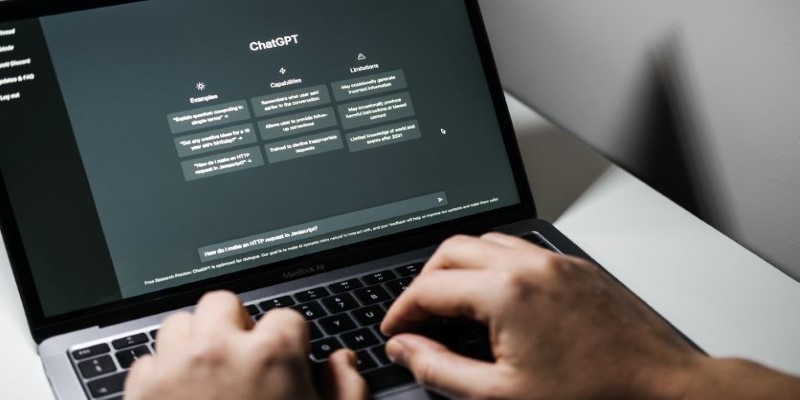
OpenAI’s GPT models, like the one you’re interacting with right now, have transformed the way teachers and students interact with AI. These language models can generate text, answer questions, and even assist in creating educational materials. OpenAI offers an open-source version of its models that educators can use to facilitate learning in a more interactive and personalized manner.
Weka:
Weka is a powerful open-source tool for data mining and machine learning. Its easy-to-use graphical interface doesn't require programming knowledge, making it an excellent choice for teachers who want to introduce students to data science and AI concepts.
Teachable Machine:
Google's Teachable Machine is another open-source platform that enables teachers to train AI models without writing a single line of code. This tool is perfect for introducing AI concepts to younger students or beginners. Teachers can use it to create models that recognize images, sounds, or poses and incorporate them into interactive lessons.
These platforms offer a range of features, from building simple models to performing complex machine-learning tasks. They are just a few examples of how open-source AI is being used to transform education by enabling teachers to customize and adapt AI tools to their teaching styles.
How Teachers Worldwide Are Leveraging AI Technology?
Teachers worldwide are leveraging open-source AI platforms in diverse ways to enhance student learning. In regions like Africa, Asia, and Latin America, where overcrowded classrooms and limited resources are common challenges, AI tools are helping educators provide personalized attention even in large settings. AI-powered platforms enable teachers to customize lessons based on individual student needs, helping both struggling and advanced learners.
In the United States and Europe, AI is transforming lesson engagement. AI-driven platforms offer instant feedback on student performance, allowing teachers to quickly identify areas where students may need extra help and adjust their teaching methods accordingly. Educators are also incorporating AI-powered educational games and simulations into subjects like math, science, and history, making lessons more interactive and enjoyable while boosting student understanding.
AI is also crucial in supporting special education. Teachers working with students who have disabilities use AI to create personalized learning experiences. For example, AI can help develop speech recognition programs for students with hearing impairments or create visual aids for students with sight challenges, enabling a higher level of customization than ever before.
Moreover, AI is facilitating multilingual learning environments. Teachers can utilize AI translation tools to present content in various languages, ensuring that language barriers do not hinder student learning and promoting inclusivity in diverse classrooms worldwide.
Conclusion
Open-source AI platforms have the potential to revolutionize the way teachers educate students worldwide. By providing teachers with customizable, accessible tools, these platforms can create more personalized learning experiences, reduce administrative burdens, and foster global collaboration. The future of AI in education looks bright, with open-source platforms leading the way in making AI accessible to educators across the globe. As technology continues to evolve, the role of open-source AI in classrooms will only become more significant, empowering teachers to create more engaging and effective learning environments for their students.