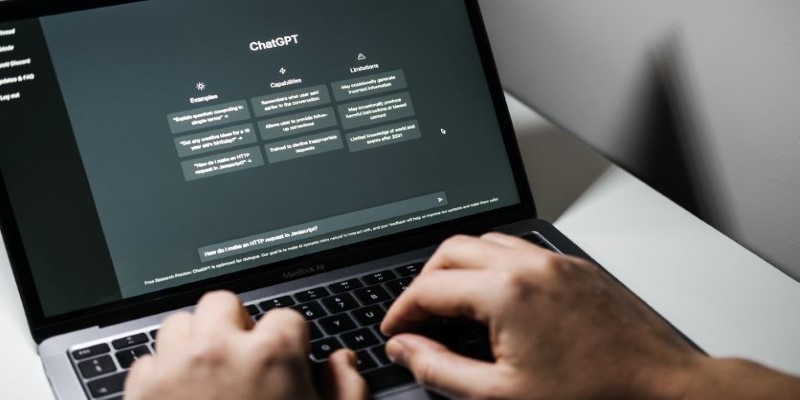
Managing a content calendar is a demanding task, requiring careful planning, consistency, and a deep understanding of your audience’s needs. It’s not just about scheduling posts; it involves brainstorming topics, aligning them with trends, ensuring variety, and maintaining engagement. Traditionally, this process consumed hours of meticulous work, but AI is reshaping the landscape.
Instead of manually mapping out months of content, AI-powered tools can handle the heavy lifting, allowing you to focus on creativity and strategy. Using AI, marketers, content creators, and businesses can create structured, balanced content calendars in minutes, minimizing workload and enhancing efficiency.
How AI Simplifies Content Calendar Planning?
AI content planning tools work by analyzing data, predicting trends, and organizing content in a way that aligns with audience engagement patterns. Instead of guessing which topics will perform well, AI extracts insights from past data, competitor strategies, and real-time analytics to propose the most relevant content ideas. This leaves your calendar packed not just with arbitrary posts but with a planned structure designed to influence engagement and drive traffic.
One of the largest benefits of AI is automation. Rather than spend hours conducting research, AI presents you with suggestions based on keyword relevance, search intent, and seasonality. If you want evergreen or trending topics, AI finds the opportunities and makes a content flow that engages your audience. Further, AI is able to disperse topics equally, avoiding repeating content and allowing for a good mix of educational, promotional, and interactive posts.
In addition to ideation, AI also schedules optimally. Instead of manually determining when to publish, AI studies user engagement to provide suggestions for optimal publishing time. By knowing when your audience is most active, AI allows your content to reach the proper people at the proper time.
The Role of AI in Content Optimization
Creating a content calendar is not all about selecting themes—it's about optimizing them to have the highest impact. AI comes into the picture by designing catchy headlines, keyword optimization, and content structures to rank on search engines. It leverages knowledge of consumer interests, reader habits, and platform algorithms to make your posts reach more and get engagement.
AI also improves content distribution by analyzing past performance data. It identifies which platforms work best for specific content types, allowing businesses to target high-impact channels and avoid wasting resources on less effective ones. This data-driven approach helps to maximize reach and engagement across various platforms.
Consistency is another area where AI excels. Many content creators face challenges in maintaining a regular posting schedule, leading to gaps or rushed posts. AI automates content flow, ensuring a steady release without the stress of last-minute scrambles. This is particularly valuable for businesses managing multi-platform campaigns, as AI can sync content across various social media and blog channels. By maintaining regularity, AI ensures your audience remains engaged while saving you time and effort.
Overcoming Common Challenges with AI-Powered Content Calendars
While AI-powered content calendars offer numerous advantages, they do come with their own set of challenges. One common concern is the fear of losing the human touch in content. Some creators worry that AI-generated calendars might produce content that feels robotic or lacks personality. However, AI is designed to be a strategic assistant, not a replacement for creativity. It structures and optimizes content, but human oversight ensures that the messaging remains authentic, engaging, and aligned with brand values.
Another challenge is an overreliance on AI suggestions. While AI provides valuable insights, marketers must refine these recommendations to match their brand identity and audience expectations. Instead of blindly following AI-generated topics, creators should inject their unique perspective and voice, ensuring the content resonates on a deeper level with their audience.
AI also has limitations in predicting sudden shifts in industry trends. While it analyzes existing patterns effectively, human intuition and quick decision-making remain crucial for adapting content strategies in real-time. By combining AI's data-driven insights with human expertise, content creators can build a more dynamic, responsive, and relevant content calendar. This balance ensures the final product remains both efficient and deeply engaging.
The Future of AI in Content Creation
As AI continues to evolve, its role in content creation is set to become even more advanced. The next generation of AI tools will offer highly personalized content recommendations, utilizing a wider array of data points to gain deeper insights into audience behavior. Enhanced natural language processing (NLP) capabilities will allow AI to understand not only the content’s subject matter but also the tone and style, ensuring it matches a brand’s unique voice and appeals to its target audience.
AI will also play a more significant role in automating content creation. Future AI models will likely generate entire pieces of content, from written text to visuals, all while optimizing them for different platforms in real-time. This means that content creators and businesses will be able to streamline their processes even further, saving time while maintaining high-quality output.
As AI continues to develop, businesses that adopt these cutting-edge tools will have a distinct advantage. They will benefit from greater efficiency, enhanced creativity, and the ability to quickly adapt to changing trends. With AI’s growing capabilities, content creation will become more data-driven, personalized, and agile, offering immense potential for brands to connect with their audiences in new and meaningful ways.
Conclusion
AI-driven content calendars are transforming the way businesses and content creators plan their digital strategies. By automating ideation, optimizing scheduling, and refining content, AI eliminates hours of manual work, allowing professionals to focus on creativity and strategy. However, success lies in striking a balance—leveraging AI for efficiency while maintaining human oversight to ensure authenticity. Rather than replacing human creativity, AI enhances it, making content planning more data-driven and effective. As AI continues to evolve, those who embrace its capabilities will gain a competitive edge, streamlining their workflow while delivering content that resonates with their audience.