Campus security has always been a top priority for educational institutions, but as campuses grow and evolve, traditional security measures are no longer enough. Enter AI: a game-changer in the world of campus safety. From facial recognition to predictive analytics, AI technology is revolutionizing how schools and universities protect their students and staff.
With the ability to quickly identify threats, monitor behavior in real-time, and even anticipate risks, AI is enhancing security measures like never before. This new era of campus safety isn't just about responding to incidents—it's about preventing them before they happen.
The Role of AI in Campus Security
AI's role in campus security centers around the need for faster, more precise, and more effective systems that can react to security breaches in real time. Conventional methods of security, like human security officers or CCTV cameras, are no longer sufficient to keep pace with the increased size and sophistication of contemporary educational institutions. This is where AI steps in.
AI-powered systems, particularly those based on facial recognition technology, can enhance campus security capabilities. By using cameras and algorithms, facial recognition systems can automatically identify individuals in real time. This helps security personnel respond quickly to any potential threats or suspicious activities, as the system flags unauthorized individuals instantly.
Beyond facial recognition, artificial intelligence-based security systems provide technologies such as behavior analysis and predictive analytics. These systems detect unusual patterns in behavior or looming security threats before problems arise. Through integration with live data, AI provides a predictive strategy for securing campuses, minimizes the likelihood of incidents happening, and ensures that the actions necessary to maintain order are exercised before things fall apart.
Facial Recognition Technology in Campus Safety
Facial recognition is among the most discussed AI technology in campus security. The technology identifies an individual using their facial features and matching them against a database of images. In campus security, it enables institutions to be highly secure without having to use human monitoring.
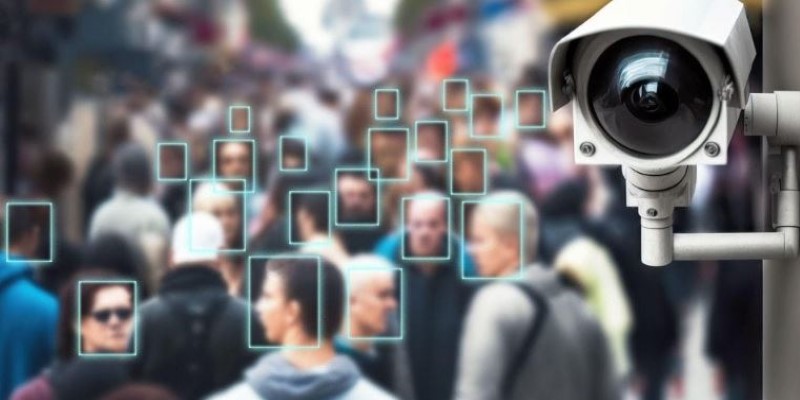
The use of facial recognition in campus security systems offers several advantages. First, it helps prevent unauthorized access to secure areas. For example, AI can be used to control access to dormitories, laboratories, or staff-only zones, ensuring that only authorized individuals can enter. This is a significant improvement over traditional ID card systems, which can be lost or stolen, leaving campus buildings vulnerable to intruders.
Additionally, AI facial recognition can be applied to monitor attendance at large campus events, such as sports games or concerts. It can efficiently track who enters and exits an event, making it easier to monitor large crowds and identify individuals who may pose a risk.
The convenience of this technology also cannot be overstated. Students and staff no longer have to worry about carrying ID cards or worrying about them being misplaced. As long as they are on campus, the AI system can track their movements and provide an extra layer of security.
AI-Powered Safety Systems: Beyond Facial Recognition
While facial recognition is one of the most prominent examples of AI in campus security, other AI-powered safety systems also offer significant benefits. AI can be integrated into a variety of technologies to enhance overall security. For instance, AI-based surveillance cameras can be used to monitor behavior across the campus, looking for any signs of unusual activity that could indicate a potential threat.
For example, AI can analyze movements and behaviors in real time, alerting security if a person is loitering near restricted areas or acting suspiciously. These systems can even detect behaviors that indicate a person may be in distress, such as wandering or acting erratically. This level of insight allows security teams to act faster and more effectively than traditional surveillance systems, which often require hours of footage review before identifying anything suspicious.
AI can also predict security risks. By analyzing historical data on on-campus incidents, AI algorithms can identify patterns and trends, allowing institutions to anticipate potential security issues. This predictive capability is an essential part of making campuses safer. Rather than reacting to threats, security teams can focus on preventing incidents before they happen.
Another significant development in AI safety systems is the integration of communication channels. AI can help coordinate alerts and responses across multiple platforms, from security personnel to campus-wide notifications. For instance, in the event of an emergency, AI can automatically lock doors, send out text alerts to students and staff, and alert campus law enforcement—all in real-time.
Balancing Security and Privacy
While AI in campus security offers significant benefits, privacy concerns, particularly regarding facial recognition technology, cannot be overlooked. Critics argue that facial data collection can be misused, leading to potential privacy violations. Many universities have debated whether to adopt facial recognition, citing the risk of surveillance overreach.
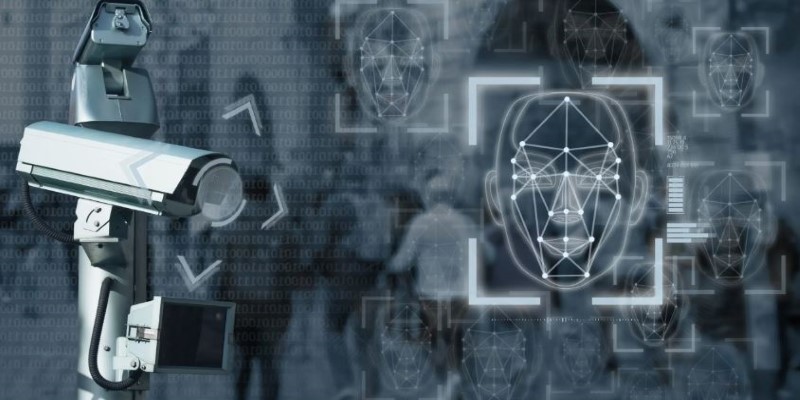
To address these concerns, institutions must carefully balance security with privacy. Clear policies and guidelines should govern the use of AI-driven systems, ensuring that collected data is securely stored and only used for security purposes. Students and staff need to be informed about how their data is being used and to ensure compliance with data protection laws.
Transparency is crucial. Campuses should allow individuals to opt out of specific monitoring systems if they feel uncomfortable. By fostering trust and open communication, institutions can implement AI security systems responsibly, ensuring that privacy rights are respected while enhancing campus safety.
Conclusion
AI-powered facial recognition and safety systems are reshaping campus security by providing faster, more efficient, and proactive solutions. While privacy concerns remain, balancing security with respect for personal privacy is crucial for success. As AI technology evolves, it will play an even larger role in enhancing campus safety and response to threats. By addressing privacy concerns and fostering transparency, institutions can create secure environments where students and staff can thrive without fear of security risks.