As education continues to evolve, technology is playing an increasingly significant role in shaping how we learn. One of the most exciting innovations is the integration of artificial intelligence (AI) in virtual classrooms. What once began as a simple means of connecting students and teachers remotely is now becoming a powerful tool that personalizes learning, automates routine tasks, and enhances student engagement.
Imagine a classroom that learns at each student's speed, gives instant feedback, and creates an interactive, immersive learning environment—all while reducing the teacher's workload. AI's possibilities in education are endless, and we're only beginning to realize what it can do for remote learning's future.
AI-Driven Personalization in Learning
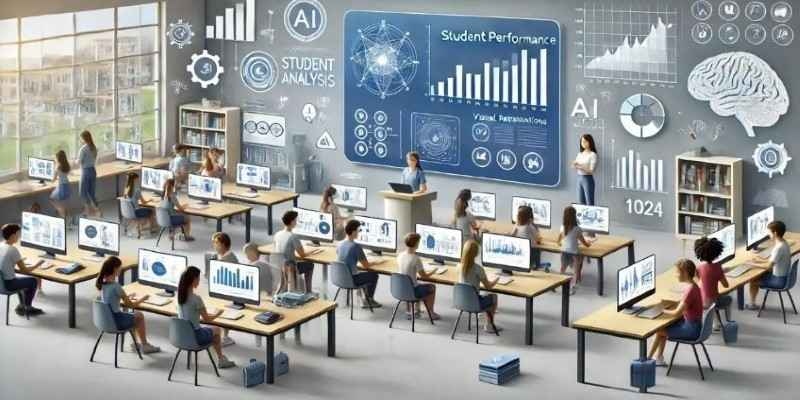
One of the greatest strengths of AI in virtual classrooms is its capacity to personalize learning experiences for individual students. Conventional education has difficulty catering to different learning rates and modes. Some students learn at a fast pace, while others need additional time and support. AI-based virtual classrooms fill this gap by tracking student performance in real time and modifying lessons based on it.
For instance, intelligent tutoring systems can recognize when a student is getting stuck and provide extra explanations, practice problems, or even suggest alternative study resources. Adaptive learning platforms employ AI to evaluate student progress and dynamically adjust content difficulty so that students remain engaged but not overwhelmed. Such personalization is virtually unachievable within a traditional classroom environment where instructors need to attend to the needs of an entire class simultaneously.
Another method through which AI increases personalization is natural language processing. AI-powered chatbots and virtual assistants can instantly respond to students' questions, explain things to them, and lead them through challenging concepts. These systems not only provide help outside of normal class times but also minimize teachers' workloads, enabling them to spend more time on more challenging teaching tasks.
Automation and Efficiency for Educators
Teachers often face an overwhelming administrative burden. From grading assignments to tracking attendance and managing student progress, educators spend much of their time on non-teaching tasks. AI in virtual classrooms helps automate many of these responsibilities, allowing teachers to focus on instruction and student interaction.
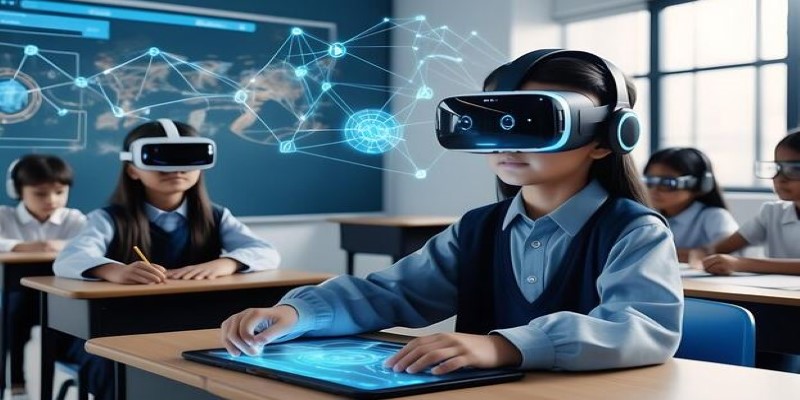
AI-powered grading systems can evaluate multiple-choice questions, short answers, and even essays with remarkable accuracy. While human oversight is still necessary for nuanced assessments, AI provides instant feedback on routine assignments, helping students learn from their mistakes without delay. Automated attendance tracking, plagiarism detection, and student performance analytics further streamline classroom management.
Virtual classrooms also benefit from AI-driven content creation tools. With AI assistance, educators can generate quizzes, summaries, and lesson plans, reducing preparation time. Some platforms even use machine learning to suggest the most effective teaching methods based on student engagement data. These innovations allow teachers to spend more time refining their instruction rather than handling repetitive tasks.
Enhanced Engagement Through AI-Powered Interaction
Keeping students engaged in an online setting is a major challenge. Without face-to-face interaction, learners often struggle with motivation and participation. AI addresses this issue by making virtual classrooms more interactive and dynamic.
AI-driven gamification elements can transform lessons into immersive experiences. Virtual rewards, progress tracking, and adaptive challenges encourage students to stay motivated and actively participate in their learning. AI also enables more effective peer collaboration by intelligently grouping students based on learning styles, strengths, and weaknesses.
Another major innovation is AI-powered virtual reality (VR) and augmented reality (AR). These technologies allow students to explore complex concepts in a hands-on manner, even in remote settings. Imagine a biology student dissecting a virtual frog in 3D or a history class experiencing ancient civilizations through an AI-generated simulation. These immersive learning experiences enhance understanding and retention far more effectively than traditional methods.
Voice recognition and speech analysis tools also help students improve communication skills. AI can evaluate pronunciation, tone, and fluency in language learning applications, providing instant feedback. This is especially valuable for students learning a new language or those who require additional support in verbal communication.
The Future of AI in Virtual Classrooms
While AI is revolutionizing virtual classrooms, its potential is still unfolding. In the coming years, we can expect even more sophisticated developments that will redefine the educational landscape.
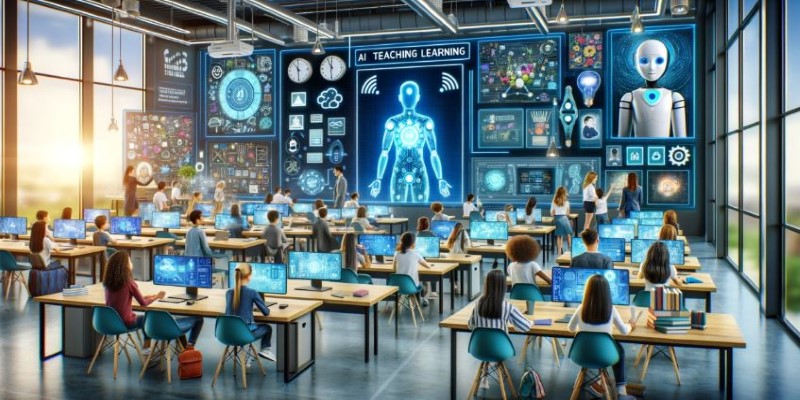
One major area of growth is emotional AI, which can analyze students’ emotions based on facial expressions and voice patterns. This technology can help educators identify when students feel frustrated, disengaged, or confused, allowing for real-time intervention. A virtual teacher assistant powered by emotional AI could adjust its approach based on a student’s mood, making learning more responsive and human-like.
Another promising development is AI-driven lifelong learning platforms. Education is no longer confined to classrooms or age groups. AI-powered virtual classrooms can support continuous skill development for professionals, offering personalized career growth recommendations and adaptive courses. As industries evolve, AI-based education systems will ensure that workers remain equipped with relevant skills.
However, with all these advancements, ethical considerations must be addressed. AI in education raises concerns about data privacy, algorithmic biases, and the role of human teachers. It is crucial to strike a balance where AI enhances rather than replaces the human element in education. Responsible implementation and regulation will be necessary to ensure that AI-powered virtual classrooms benefit all learners equally.
Conclusion
AI is transforming virtual classrooms from simple online meetings into dynamic, intelligent learning environments. By personalizing education, automating administrative tasks, and enhancing student engagement, AI is redefining how we learn remotely. As technology continues to advance, the future of education will be shaped by AI-driven innovations that cater to individual learning needs while making instruction more efficient. However, the human touch in education remains irreplaceable. The key to successful AI integration lies in using technology to support, rather than replace, teachers, ensuring that learning remains interactive, inclusive, and meaningful.