As technology continues to evolve rapidly, education is transforming like never before. The rise of AI-powered universities presents an intriguing possibility: Could traditional degrees soon become a thing of the past? AI is already reshaping industries, and now it's making its way into classrooms, offering personalized learning experiences, faster paths to qualifications, and greater accessibility for students worldwide.
However, as the possibilities are so great, there are still concerns regarding human-to-human contact, accreditation, and social acceptance. In this article, we'll explore what AI universities will mean for the future of higher education.
Understanding the Rise of AI Universities
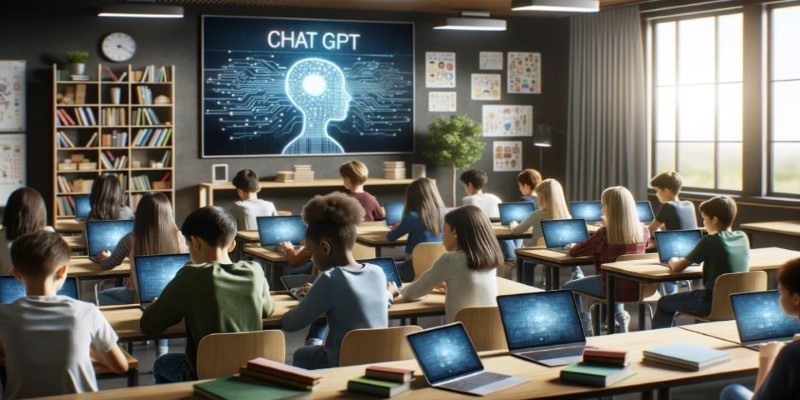
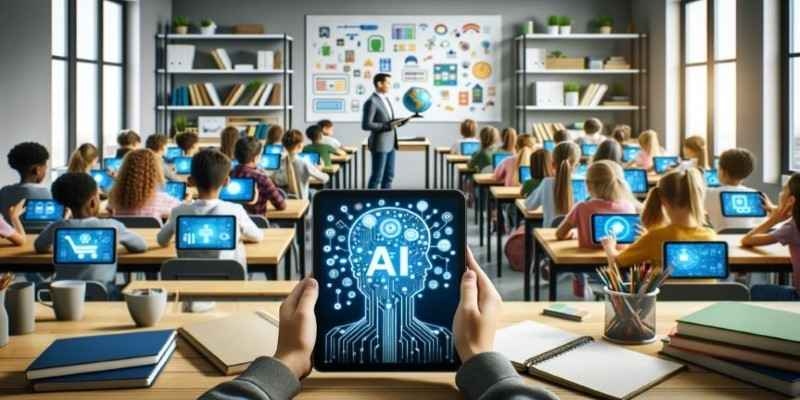
AI universities are schools that utilize artificial intelligence to provide educational materials and build customized learning experiences for students. As opposed to conventional universities, where students physically go to classrooms, AI universities offer a more flexible, technology-based method of learning. AI universities employ artificial intelligence to craft curricula, instruct courses, and evaluate student performance. The objective is to make education more accessible, efficient, and customized to individual requirements.
AI universities exist in many models. Some have completely online models, and some combine traditional live classes with elements of AI. The goal is to develop more flexible and responsive learning. Restrictions of a homogeneous curriculum no longer hold students in place. AI can tailor lesson plans to fit a student's progress, preferred learning method, and even worse areas. This technology will be able to sift through oceans of data and determine which methodologies work best with each student.
Will AI Universities Make Traditional Degrees Obsolete?
The traditional university degree has been the benchmark for academic success and entry into the job market. But with the advent of AI and other technology, the value of an old-school degree comes into question. In certain sectors, especially in tech, experience and ability trump the actual piece of paper confirming you have graduated.

AI universities could be one factor driving this shift. These institutions offer students the chance to learn in a more personalized, flexible environment where they can gain the skills they need without the constraints of a traditional degree program. For example, a student could enroll in an AI university and, over time, complete a series of personalized courses that match their career aspirations. They could acquire certifications or badges to demonstrate their skills rather than earning a traditional degree.
However, it’s unlikely that traditional degrees will disappear completely in the near future. While AI universities offer a more individualized approach to education, they still need time to build the reputation, recognition, and credibility that traditional universities have earned over centuries. Many employers still require candidates to have a degree from a recognized institution. Until AI universities gain widespread acceptance, traditional degrees will likely remain a staple in the workforce.
The Advantages and Challenges of AI in Education
As AI continues to transform various industries, its impact on education is becoming increasingly significant, with both promising opportunities and challenges.
Advantages
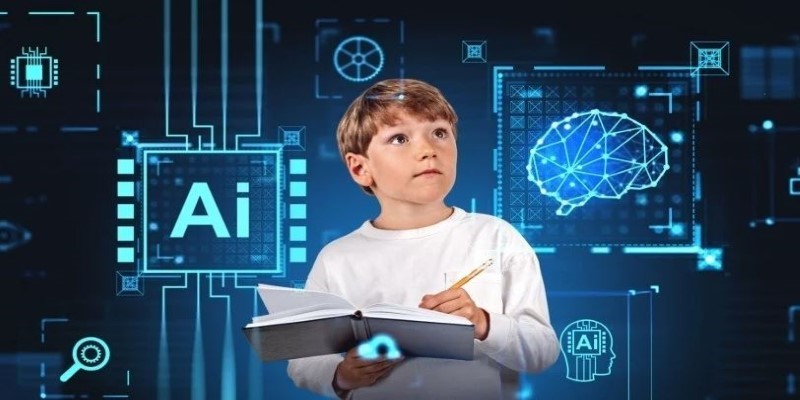
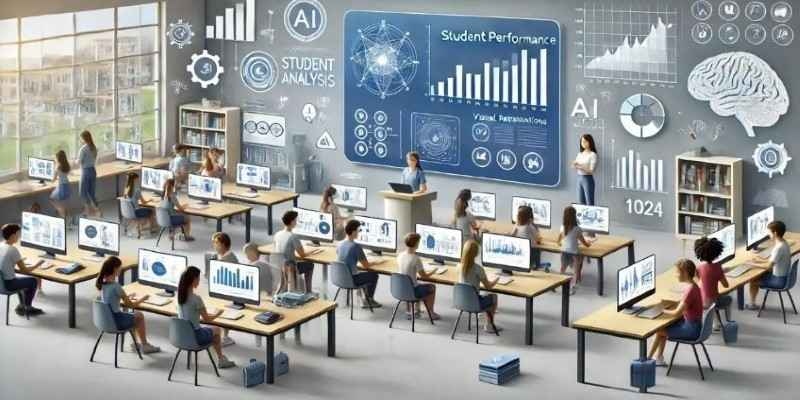
AI-powered education offers numerous benefits, one of the most significant being personalized learning. In traditional classrooms, it's challenging for instructors to cater to each student's unique needs. AI, however, can analyze student performance in real-time, adjusting lessons to help individuals who struggle or need more challenges. It can also provide targeted resources, improving learning outcomes and making education more efficient.
AI also enhances accessibility. With online and hybrid learning models, AI universities can reach students from diverse backgrounds, overcoming financial or geographical barriers that might prevent them from attending traditional universities. This flexibility allows more people to pursue higher education, regardless of their circumstances.
Moreover, AI enables faster learning. By focusing on areas where students need improvement and skipping familiar material, students can complete their courses or certifications more quickly. This is particularly beneficial for those eager to enter the workforce.
Challenges
However, AI universities face several challenges. One major issue is ensuring the quality of education. While AI can personalize lessons, it lacks the human touch that instructors provide—mentoring, emotional support, and personal growth encouragement.
Additionally, AI universities struggle with accreditation. Without recognized standards, employers may hesitate to trust AI degrees, and students might be wary of their value compared to traditional degrees.
Lastly, social acceptance remains a hurdle. Many people remain skeptical of AI’s role in education, fearing that an AI degree will never carry the same weight as one from a prestigious institution. Until AI universities overcome these challenges, traditional degrees will likely remain the standard for many students.
The Future of Education: A Hybrid Approach?
While AI universities may not fully replace traditional degrees in the near future, they could complement them in a hybrid approach to education. In this model, students might attend a traditional university for certain aspects of their education, such as foundational courses, while using AI-powered platforms to gain specialized knowledge or certifications in areas like coding, data analysis, or artificial intelligence.
This hybrid model could offer the best of both worlds: the credibility and networking opportunities of a traditional degree, along with the personalized, efficient learning experiences offered by AI. Students could have the flexibility to customize their education based on their interests and career goals while still benefiting from the structure and resources of traditional universities.
AI universities could also promote lifelong learning, providing opportunities for individuals to continue developing their skills throughout their careers. As industries evolve and new technologies emerge, it will be important for workers to stay up-to-date. AI-powered platforms could offer ongoing education and professional development, making it easier for people to stay competitive in the job market.
Conclusion
AI universities offer exciting possibilities for personalized, accessible, and efficient education, but they face significant challenges in replacing traditional degrees. While AI-powered learning can revolutionize education, the lack of human connection, accreditation, and social acceptance presents hurdles. Traditional degrees are likely to remain relevant for the foreseeable future. Still, a hybrid approach combining AI and traditional institutions may shape the future of education, offering students more flexible, tailored learning opportunities.