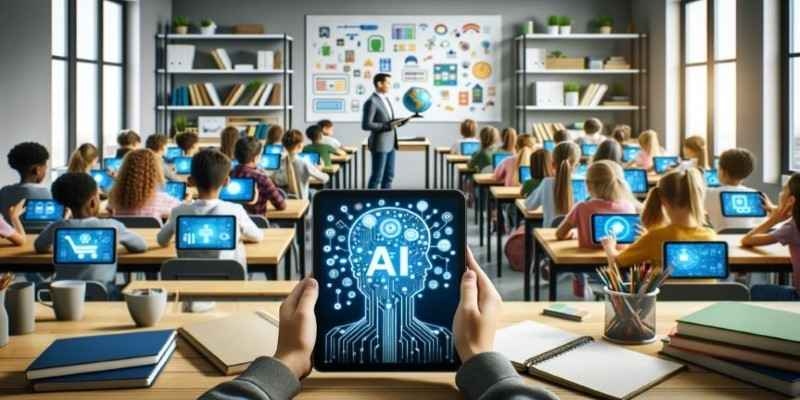
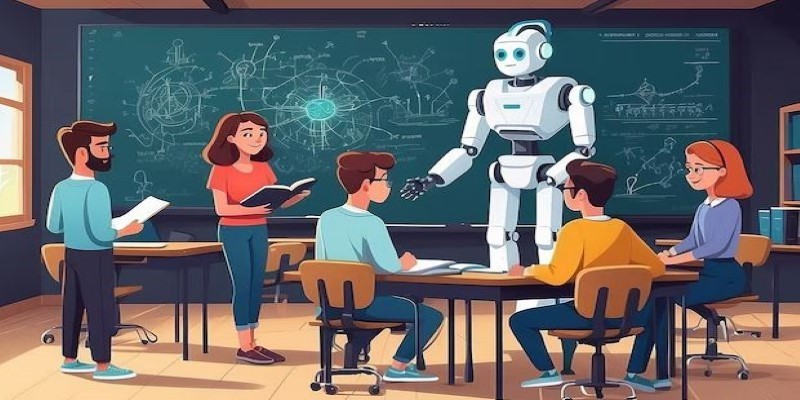
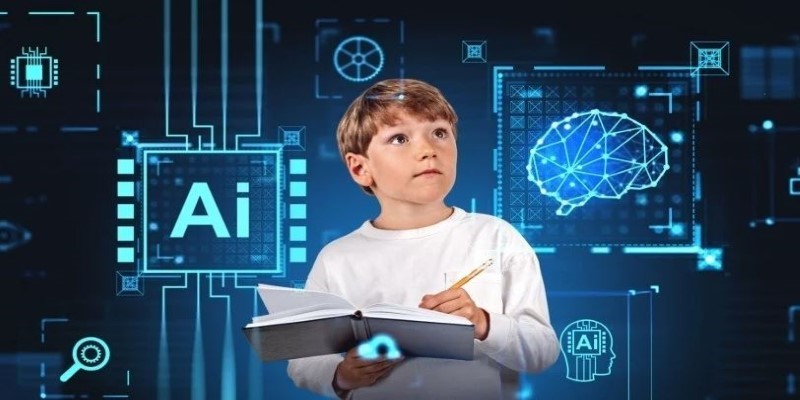
The integration of generative AI in education is changing the way students learn, and teachers teach. Among the most innovative tools is ChatGPT, an AI capable of engaging in natural, human-like conversations. It's not just a futuristic concept anymore; ChatGPT is actively transforming classrooms by offering personalized support, enhancing collaboration, and streamlining administrative tasks.
Teachers now have a new strong partner in the form of this AI, which assists them in giving better lectures and offering instantaneous feedback. This article will look at how ChatGPT is transforming education and making learning simpler, more engaging, and specific to the individual's requirements.
The Power of Generative AI in Education
Generative AI has a lot to offer in education, with the potential for personalized learning, increased engagement, and greater efficiency. Perhaps the most important reason for its increasing impact is that it can process and create human-like text. This makes ChatGPT a perfect fit for classroom settings. Essentially, ChatGPT is a tutor who explains and answers questions for students, creates ideas for assignments, and even assists with homework.
For educators, generative AI can perform mundane tasks like grading assignments, giving feedback, and responding to repetitive questions. It can also serve as a lesson planning tool, providing ideas for activities or how to present complicated concepts. Teachers can then spend more time interacting with students on a more meaningful level, while AI handles the monotonous parts of teaching.
ChatGPT as a Virtual Teaching Assistant
ChatGPT's potential as a virtual teaching assistant holds intriguing prospects in the classroom, adding to the usual methods of instruction. It can never take over the teacher's function, but ChatGPT can go a long way toward improving the learning process. It can be used by students as a point of reference when they face problems during non-school hours. For example, if the student is not able to tackle a complicated mathematics problem, rather than wait till the next day or get bogged down, they can inquire from ChatGPT about clarity. The computer program can provide the solution for the problem in easier steps and clarify it to the student level.

This capability is particularly beneficial for students working under tight deadlines, as ChatGPT provides instant support around the clock, making it a valuable resource for homework or last-minute assignments. The availability of such assistance ensures that students don't feel stuck or overwhelmed, even when the teacher isn’t available.
For teachers, the integration of ChatGPT into the classroom helps manage large groups by offering personalized attention. In large classes, it can be difficult to ensure every student gets one-on-one time. With AI handling basic queries and providing support, teachers can focus on more complex teaching moments and deeper student engagement. This way, no student falls behind, and the teacher can nurture a more meaningful and focused classroom environment.
Personalized Learning and Critical Thinking through Collaboration
Generative AI, such as ChatGPT, brings a significant advantage to education by offering personalized learning experiences. Every student has a unique learning style, and AI can adapt its responses to meet these individual needs. Whether simplifying concepts, adjusting the complexity of explanations, or offering more examples, ChatGPT can support students at their own pace.
For instance, in subjects like language arts, students with varying proficiency levels can receive tailored feedback on their writing. ChatGPT can assess assignments and suggest improvements, covering areas such as grammar, sentence structure, and organization. This personalized approach enables students to build confidence and progress at their speed, enhancing their academic performance.
Beyond personalized learning, generative AI like ChatGPT can facilitate collaboration and encourage critical thinking. The AI provides a platform for students to brainstorm ideas, collaborate on projects, and discuss complex topics. For example, students working together on a group project can use ChatGPT to generate possible solutions or create talking points for debates.
Critical thinking is a vital skill in education, and AI plays an essential role in developing it. ChatGPT can present multiple perspectives on a topic, helping students analyze the pros and cons of each viewpoint. By engaging with AI, students can gain a more in-depth understanding of various issues, which encourages a broader, more critical approach to problem-solving.
Moreover, ChatGPT can assist students with research by suggesting relevant sources, summarizing articles, or offering insights on specific subjects. This ability to quickly access and critically engage with information enhances research skills, which are essential in today’s information-driven world. Through personalized learning, collaboration, and critical thinking, ChatGPT is helping shape a more dynamic and effective educational experience.
Supporting Teachers in Grading and Feedback
Grading and providing feedback is often one of the most time-consuming aspects of a teacher's job. Generative AI can streamline this process by assisting teachers with grading assignments, quizzes, and even essays. While AI cannot replace a teacher's nuanced judgment, it can help with tasks that require efficiency and consistency.
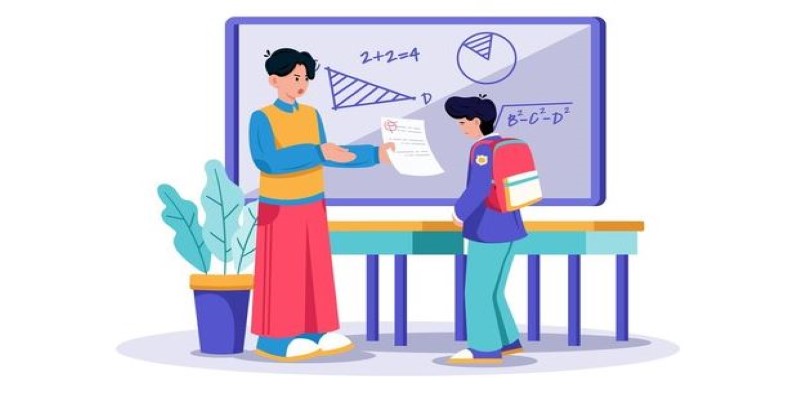
For example, ChatGPT can be used to grade multiple-choice questions and short-answer responses or even generate feedback on longer essays. By automating these tasks, teachers can focus more on providing personalized feedback that supports student growth. Furthermore, AI can help identify areas where students are struggling, allowing teachers to adjust their lessons accordingly.
Generative AI can also help improve the consistency of feedback. Since AI is based on predefined algorithms, it ensures that feedback is objective and free from bias. This can be particularly beneficial in large classrooms, where teachers may find it challenging to provide detailed feedback to every student in a timely manner.
Conclusion
Generative AI, especially ChatGPT, is transforming the educational landscape by offering personalized learning, supporting teachers, and fostering collaboration among students. While it enhances efficiency and provides instant assistance, it’s crucial to remember that AI is a tool meant to complement, not replace, traditional teaching methods. Teachers remain essential in guiding students and promoting critical thinking. By embracing AI responsibly, educators can create a dynamic learning environment that prepares students for the future, ensuring they thrive in an increasingly digital world. ChatGPT’s role in classrooms is only the beginning of AI’s potential to revolutionize education.