The rapid evolution of technology has reshaped nearly every aspect of our lives, and vocational education is no exception. Artificial Intelligence (AI) has emerged as a transformative force in education, offering new tools, methods, and possibilities for both learners and educators. From personalized learning experiences to the automation of administrative tasks, AI is making a significant impact on how vocational skills are taught and learned. But how exactly is AI reshaping vocational education, and what does this mean for students and educators? Let’s delve into this topic and explore the ways AI is driving change in vocational training.
Transforming Learning Experiences with AI
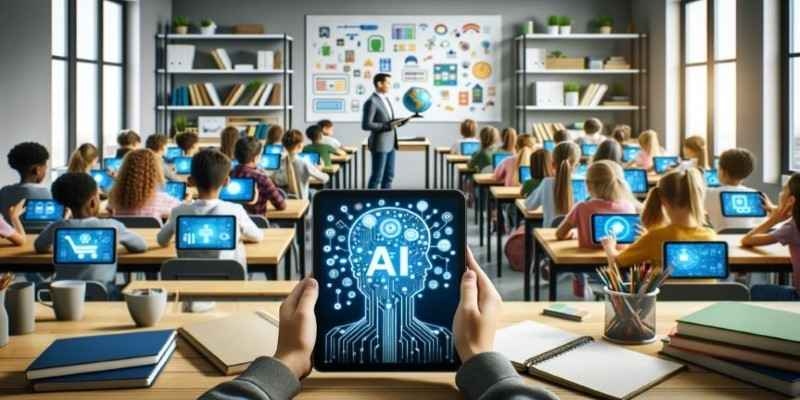
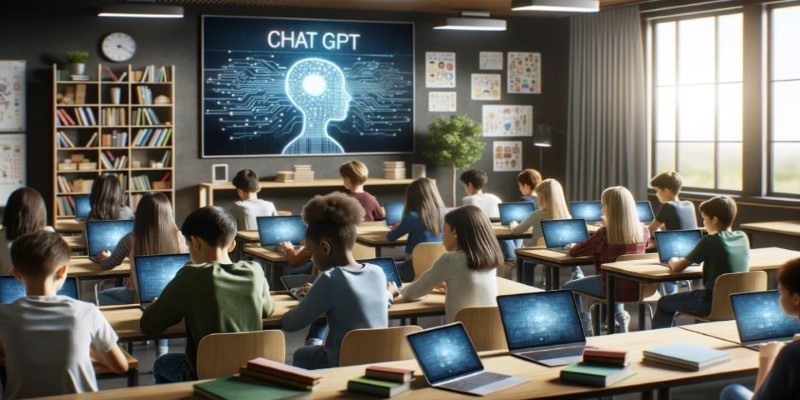
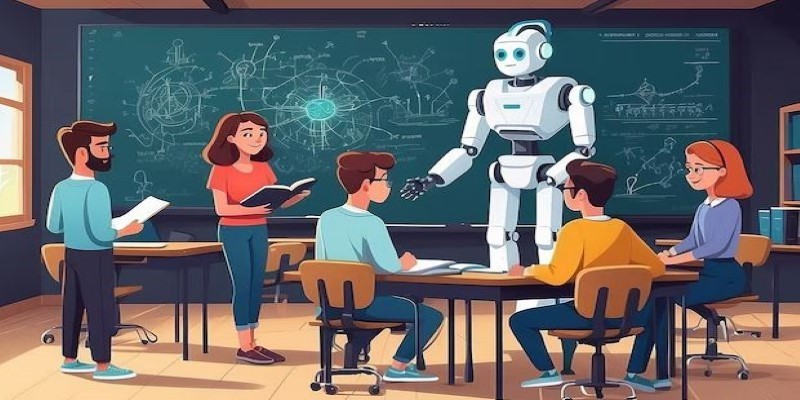
AI’s ability to personalize learning experiences is one of its most powerful contributions to vocational education. Traditional methods often follow a one-size-fits-all approach, which can leave some students struggling while others breeze through the material. AI can tailor the curriculum based on a student’s unique strengths, weaknesses, and learning pace, ensuring a more effective and engaging educational journey.
For instance, AI-driven software can evaluate a student's development in real-time and adjust the curriculum according to their requirements. If a student is performing well in a specific area, the system can introduce more advanced materials or challenge them with more complex tasks. On the other hand, if a student is having trouble understanding a specific concept. In such a scenario, AI can offer additional resources and tutorials or even guide them to other learning paths that are more appropriate to their current level of knowledge.
This tailored approach not only allows learners to learn at their tempo but also maintains them motivated and active throughout training. By confronting students where they stand on their learning journey, AI can enable nobody to fall behind, resulting in a more accessible and inclusive education system.
AI-Powered Skill Development
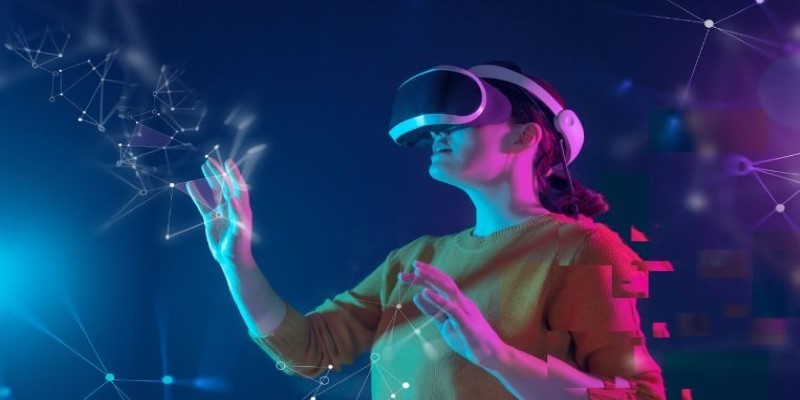
Vocational training centers on preparing students with hands-on, real-life skills. AI is enhancing this by providing immersive, interactive training environments that simulate real-world scenarios. These AI-driven simulations give students the opportunity to practice and refine their skills in a risk-free virtual setting, which is particularly valuable in fields where mistakes can be costly or dangerous.

For example, in healthcare, AI simulations can replicate medical procedures, allowing students to practice surgical techniques or emergency response protocols without the risk of harming patients. Similarly, in trades like carpentry or electrical work, AI can generate virtual models or training modules where students can practice their skills in a controlled environment before handling real tools and materials.
This approach to hands-on experience not only boosts students’ confidence but also better prepares them for real-world challenges. AI’s ability to simulate a variety of scenarios allows students to develop competence and gain practical experience that would otherwise be difficult to replicate through traditional training methods. By integrating these AI-powered tools, vocational education can create safer, more effective training environments, ensuring that students are fully prepared for their careers. This method enhances learning outcomes and provides a more dynamic and engaging educational experience.
AI in Administrative Tasks and Efficiency
While AI’s impact on learning and skill development is well-known, its role in improving administrative tasks cannot be overlooked. Vocational education programs often require significant administrative work, from scheduling classes and managing resources to tracking student progress and grading assignments. These tasks can be time-consuming for educators, leaving them with less time to focus on direct teaching and student engagement.
AI can automate many of these administrative functions, making them more efficient and reducing instructors' workloads. For instance, AI-powered systems can automatically schedule classes based on student availability, track attendance, and even grade assignments, saving valuable time for educators. Additionally, AI can help monitor student performance by analyzing data from assessments, allowing teachers to identify at-risk students and intervene early.
By automating these tasks, AI allows educators to focus more on teaching and less on administrative work. This shift not only improves the efficiency of vocational education programs but also helps teachers provide more personalized attention to students who need it most, fostering a more supportive and individualized learning environment for all students.
Enhancing Career Services with AI
Vocational education doesn't end with graduation. One key goal of these programs is to help students transition from the classroom to the workforce, but this process can often be challenging. AI is now being used to enhance career services, making it easier for students to find relevant job opportunities and connect with employers.
AI-driven platforms can analyze a student’s skills, qualifications, and interests and match them with job openings that are the best fit. These systems use algorithms to scan job descriptions and compare them with a student’s resume, helping to identify potential matches that may not be immediately obvious. Additionally, AI can assist students with building resumes, preparing for interviews, and even providing ongoing career advice based on their progress and evolving skills.
This personalized approach to career services not only makes the job search process more efficient but also helps students land positions that align with their skills and aspirations. By offering this level of support, AI ensures that vocational education doesn’t just provide technical training but also helps students launch successful careers.
Conclusion
Artificial Intelligence is reshaping vocational education by offering more personalized learning experiences, improving skill development, streamlining administrative tasks, and enhancing career services. As technology continues to evolve, its impact on vocational education will only grow, creating more opportunities for students and educators alike. Whether it's through immersive simulations or AI-powered career guidance, AI is making vocational education more accessible, efficient, and effective. The future of vocational education is bright, and AI is at the forefront of this transformation, helping students gain the skills they need to succeed in an ever-changing world.