Artificial intelligence is transforming education by making it more adaptable and personalized. Traditional curriculums often follow a rigid structure, which may not meet the individual learning needs of every student. AI allows for tailored lesson plans, enabling students to progress at their own pace. From elementary schools to universities, AI-driven tools help educators provide real-time feedback and enhance student engagement.
This shift towards AI-powered learning is not merely about efficiency; it's about making education more inclusive, ensuring that each student receives a learning experience suited to their unique abilities and needs. AI is truly shaping the future of education.
AI in K-12 Education
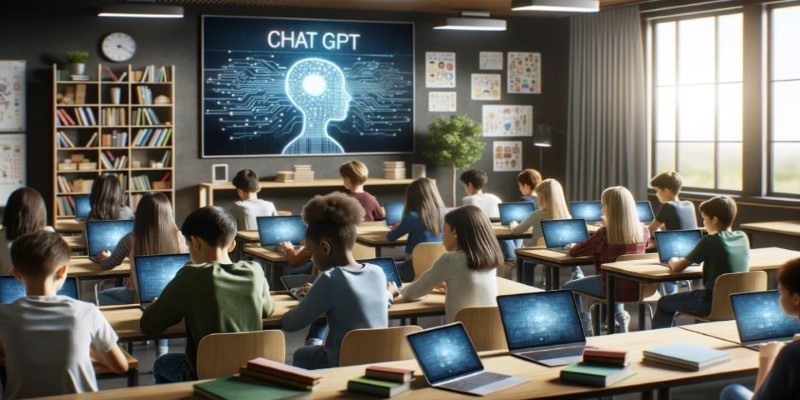
In the early years of education, students come from different backgrounds with varying learning speeds. Some grasp concepts quickly, while others need extra support. AI-based systems assist in filling this gap by evaluating each student's strengths and weaknesses. Adaptive learning systems review how students engage with the material and modify lessons based on that. This indicates that a math-challenged child, for instance, will be given extra practice exercises, while one performing well in the same subject may progress to higher-level material.
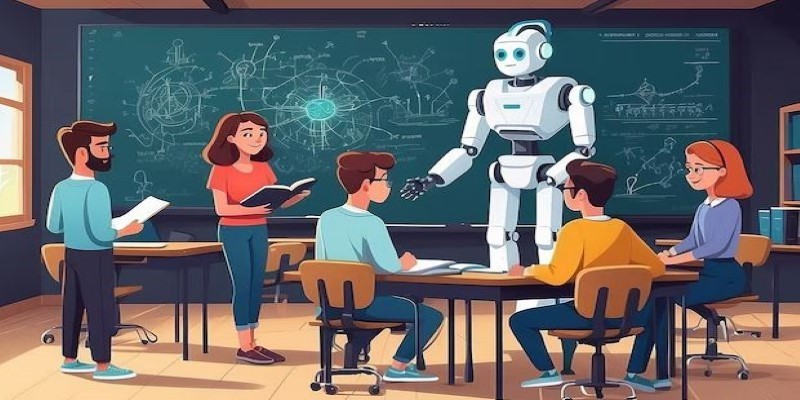
AI-powered tutoring systems are also critical. Virtual tutors present instant explanations and step-by-step guidance and help students grasp tough ideas. Unlike in classroom teaching, where instructors might not have time for personalized instruction, AI tutors make sure no student is left behind. Schools are also incorporating AI-based assessment tools that include detailed reports of students' progress. Rather than depending entirely on standardized testing, teachers are able to monitor patterns of learning and adapt instructional strategies accordingly.
Another benefit of AI in K-12 is language assistance. Most students struggle while learning a language other than their native one. AI translation aids and speech-to-text software help overcome this linguistic barrier, thereby making lessons comprehensible. Students can be provided with real-time translations and pronunciations, enabling them to cope with their classmates.
AI’s Role in Higher Education
In universities and colleges, AI is transforming how courses are structured and delivered. One of its most significant contributions is in curriculum design. Professors and academic institutions can use AI to analyze job market trends and student performance data to create relevant courses. This ensures that students gain skills that align with industry needs, making them more prepared for the workforce.
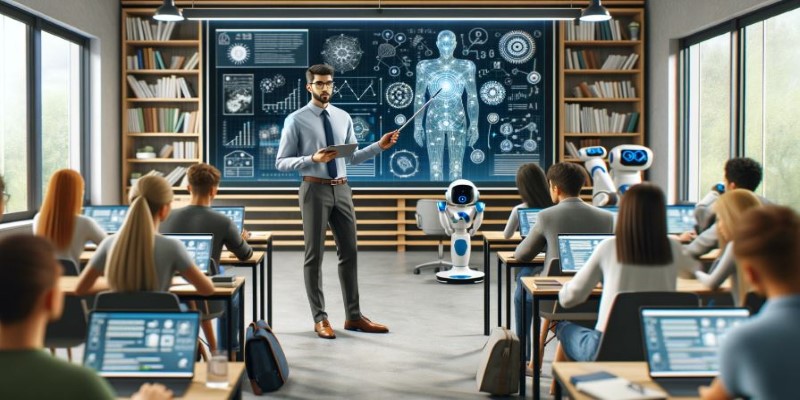
AI-powered recommendation systems guide students in selecting courses that match their career interests and strengths. These systems analyze previous academic performance and suggest personalized learning paths. Instead of following a fixed curriculum, students can explore subjects that align with their skills and aspirations. This flexibility allows for a more engaging and meaningful educational experience.
Another major impact of AI in higher education is in grading and assessment. Large university classes often make it difficult for professors to provide detailed feedback on assignments. AI-driven grading systems help by analyzing essays, projects, and tests, offering constructive feedback almost instantly. This not only saves time for educators but also ensures that students receive timely insights into their performance.
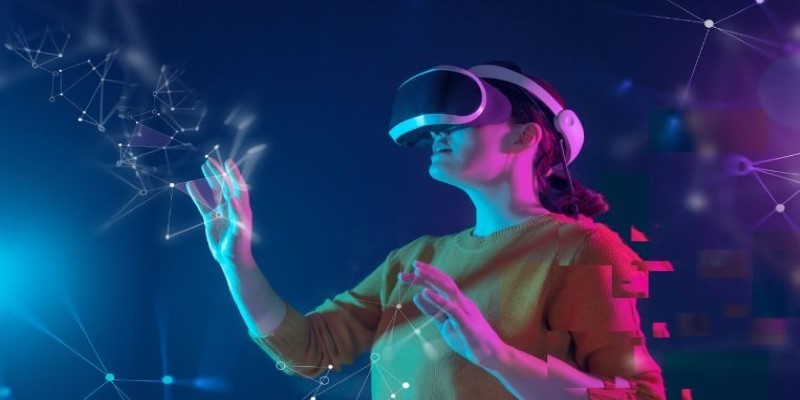
AI is also making education more interactive. Virtual simulations and AI-powered labs allow students to practice complex concepts hands-on. Medical students, for example, can use AI-driven simulations to perform surgeries, while engineering students can experiment with virtual models. This immersive learning approach helps students grasp concepts more effectively than traditional methods.
Challenges and Ethical Considerations
Despite its benefits, AI in education comes with challenges. One major concern is data privacy. AI systems collect vast amounts of student data to personalize learning experiences. If not handled correctly, this data could be misused. Schools and universities must implement strict policies to protect student information and ensure transparency in how AI tools operate.
Another challenge is accessibility. While AI-driven education is growing, not all schools have the resources to implement these technologies. Many underfunded schools lack the necessary infrastructure, which could widen the gap between students who have access to AI-powered learning and those who do not. Bridging this digital divide should be a priority to ensure equal opportunities for all students.
There is also the concern of overreliance on AI. While AI can enhance education, it should not replace human teachers. Educators' roles extend beyond delivering content—they provide mentorship, emotional support, and critical thinking guidance that AI cannot replicate. A balanced approach, where AI complements traditional teaching rather than replacing it, is essential for maintaining the quality of education.
The Future of AI-Driven Education
As AI continues to evolve, its role in education will expand, offering more personalized learning experiences. Future developments may allow AI to predict student needs and provide tailored support before challenges arise. AI-powered virtual classrooms will break geographical barriers, enabling students worldwide to collaborate seamlessly. In the long term, AI-driven education promises a more inclusive, flexible, and effective system.
By integrating AI responsibly, educators can offer students an education that meets their unique needs. However, AI must enhance, rather than replace, the human element of teaching, ensuring that personalized learning is balanced with mentorship, emotional support, and critical thinking guidance, all of which are essential to a well-rounded educational experience.
Conclusion
Education is evolving, and AI is leading the way toward personalized learning. By adapting curriculums from K-12 to higher education, AI is creating a more dynamic and accessible learning environment. It moves beyond traditional one-size-fits-all approaches, ensuring that each student receives tailored instruction that aligns with their unique needs and abilities. The true goal of AI in education is not only to enhance efficiency but to make learning more meaningful and impactful for every student. As AI continues to shape education, it paves the way for a future where learning is both personalized and inclusive, empowering students to thrive in diverse educational settings.